

Questions for a gentle monthly check-in
A simple way to notice your daily rhythm
Before making your schedule more detailed, note how you actually spend your time for a week. Try a low-effort way to track it and use what you learn to shape next week.
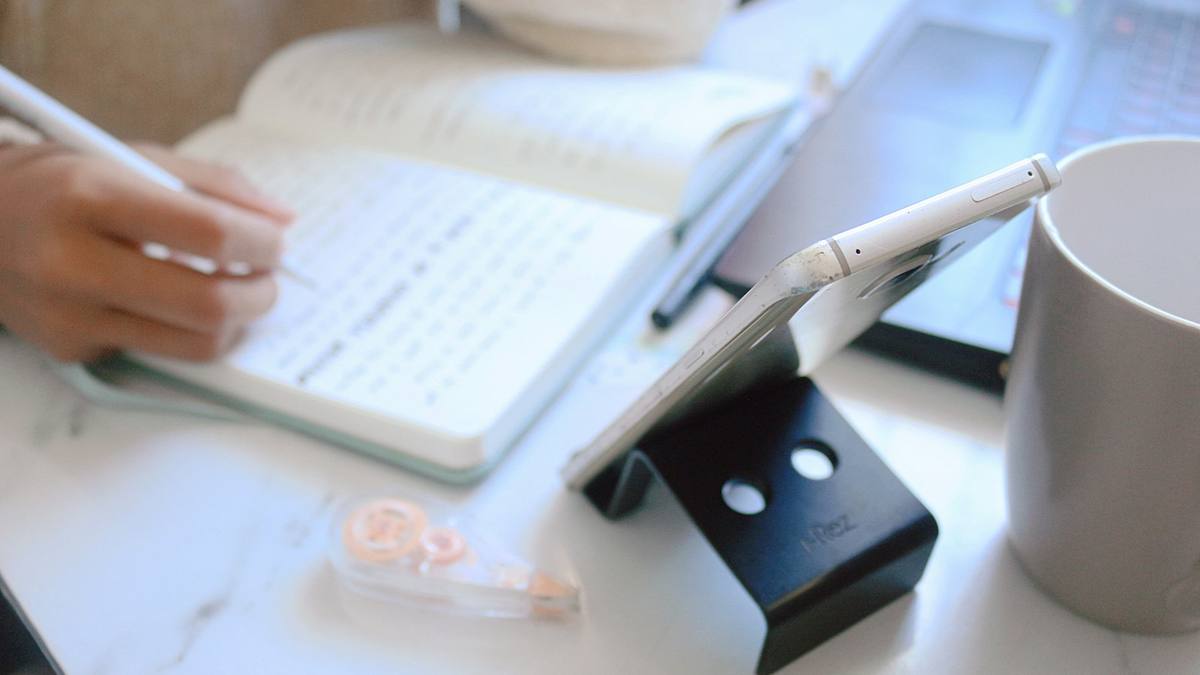
Some days feel busy, yet it is hard to remember what filled them. Instead of planning more, briefly observe how your time actually goes. You may notice recurring gaps or tasks that take longer than expected. A time log is not a scorecard; it is information for making next week more realistic.
To keep logging from becoming another job, start with 30-minute or one-hour blocks. Give activities recognizable names, such as “find sources,” “lunch and travel,” or “check messages,” instead of writing only “work.” Exact minutes are unnecessary, and you can leave uncertain periods blank.
After a week, look for repeated situations before adding up totals. Notice whether you focus better in the morning, need time to return to work after meetings, or spend longer than expected eating and commuting. The point is to show the conditions of a real day, not to identify “wasted” time.
Choose one pattern you would like to change. If messages interrupt you, try setting a time to reply; if getting ready takes too long, gather what you need in one place the night before. Compare again after a week to see whether the change fits. A repeatable adjustment matters more than a perfect number.
Time tracking is not a way to control every hour; it helps you notice how the day unfolds. Write briefly, change one thing, and observe again.